
Uncovering Engaging Strategies in Consumer Psychology: Exploring Effective Marketing Techniques
In the competitive world of marketing, understanding human psychology is key to capturing consumer attention and driving sales. Here are the top 10 psychological marketing tactics that brands utilise to influence consumer behaviour by tapping into the workings of the human mind:
1. **FOMO (Fear of Missing Out)**: By signalling limited availability or time-bound offers, this tactic creates a sense of urgency and scarcity, encouraging quick action without guilt-tripping consumers. Examples include "Only 2 left" or "Sale ends in 3 hours."
2. **Social Proof**: Leveraging the influence of others through testimonials, reviews, influencer endorsements, or user-generated content, this tactic builds trust by demonstrating that others have had positive experiences with the brand.
3. **The Decoy Effect**: Introducing a less attractive option to make another choice look better by comparison, this pricing strategy guides customers towards a desired purchase without overt pressure.
4. **Anchoring Bias**: By setting a mental benchmark (anchor) through the first price or offer seen, this tactic enhances the perceived value of subsequent offers. Showing a high initial price makes the actual product price seem like a better deal.
5. **Color Psychology**: Strategic use of colors can evoke emotions and associations that influence buying behaviour. For example, red can stimulate urgency, while blue conveys trust and calmness.
6. **Loss Aversion**: Consumers are more motivated to avoid losses than to achieve gains. Marketing messages that emphasise potential losses can trigger a stronger emotional response and drive action.
7. **The Zeigarnik Effect**: People remember unfinished or interrupted tasks better than completed ones. Marketers use teasers or incomplete stories to create curiosity, prompting engagement to resolve the ‘open loop.’
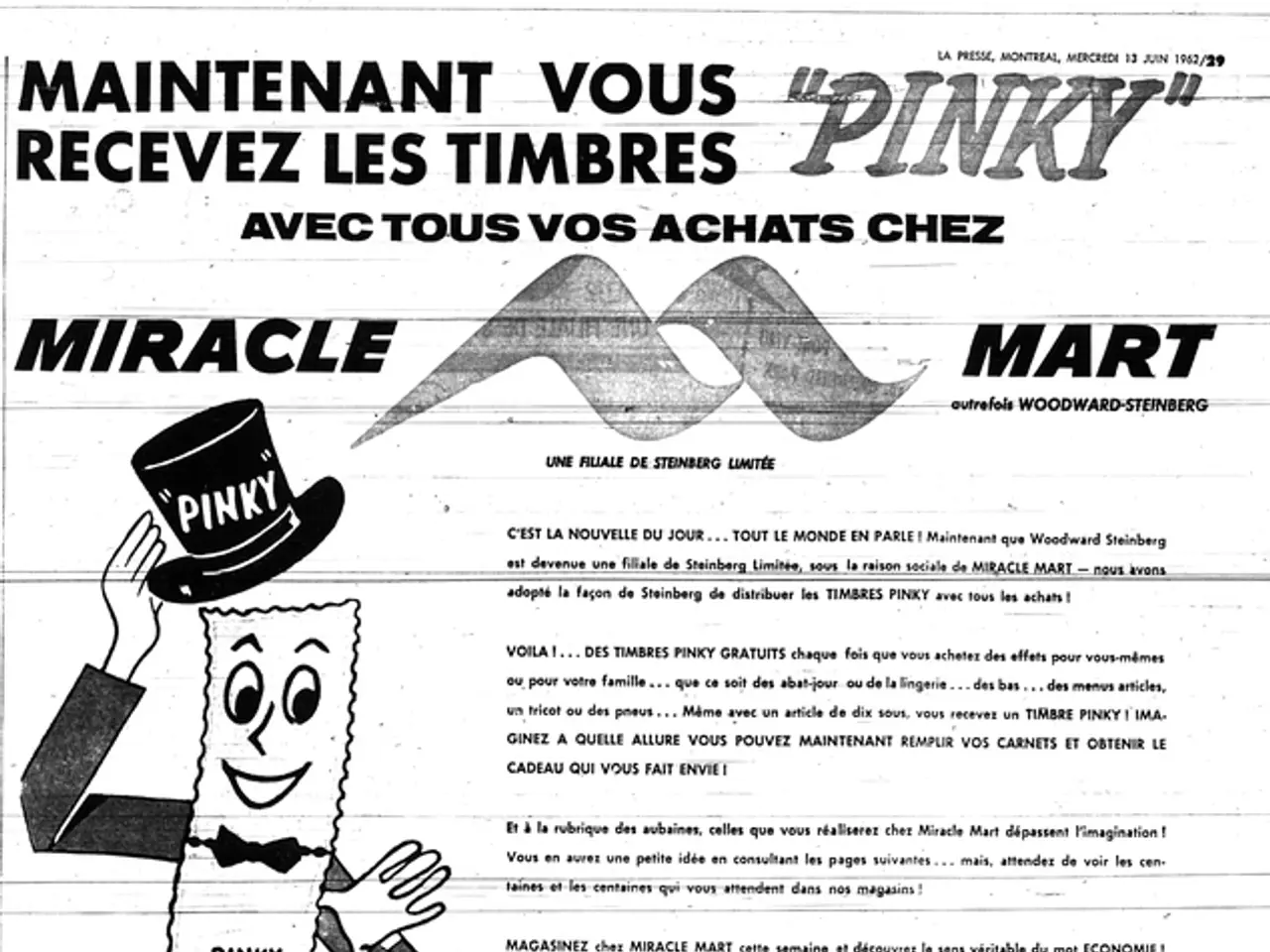
8. **Reciprocity**: Giving something free or valuable (samples, discounts, helpful content) creates a psychological obligation to reciprocate, often by buying or recommending the brand.
9. **Framing Effect**: The same information presented differently can impact perception. For example, presenting a discount as "Save 20%" vs. "Pay $80 instead of $100" can make offers seem more appealing.
10. **Storytelling**: Narratives evoke emotions, making brands relatable and memorable. Stories help consumers connect on a personal level, making products or services more meaningful.
These tactics are often combined in marketing campaigns to maximise their effectiveness. Additional relevant insights include the 'Charm Pricing' (Left-Digit Bias), the 'Authority Effect', and 'Pattern Interruption/Curiosity'.
These tactics work because they tap directly into automatic or emotional human decision-making processes, often bypassing purely rational evaluation. If you're interested, I can provide specific examples for each tactic or discuss how to implement them effectively.
- In the realm of finance, understanding human psychology can lead to smart investment decisions by anticipating behavior based on fear, hope, and rational analysis. For instance, investing during periods of economic uncertainty can be based on the fear of missing out on potential recovery.
- On the other side of the spectrum, the fashion-and-beauty industry strategically employs psychology to drive lifestyle choices. For example, using color psychology to evoke emotions and associations when designing clothing or marketing cosmetics to influence buying behavior.
- Similarly, a business owner might use social proof tactics in their marketing communications, such as customer testimonials, to build trust and credibility among potential clients, fostering a more positive business relationship.






