
Thousands of Boeing factory workers go on strike after turning down proposed contract agreement
=========================================================
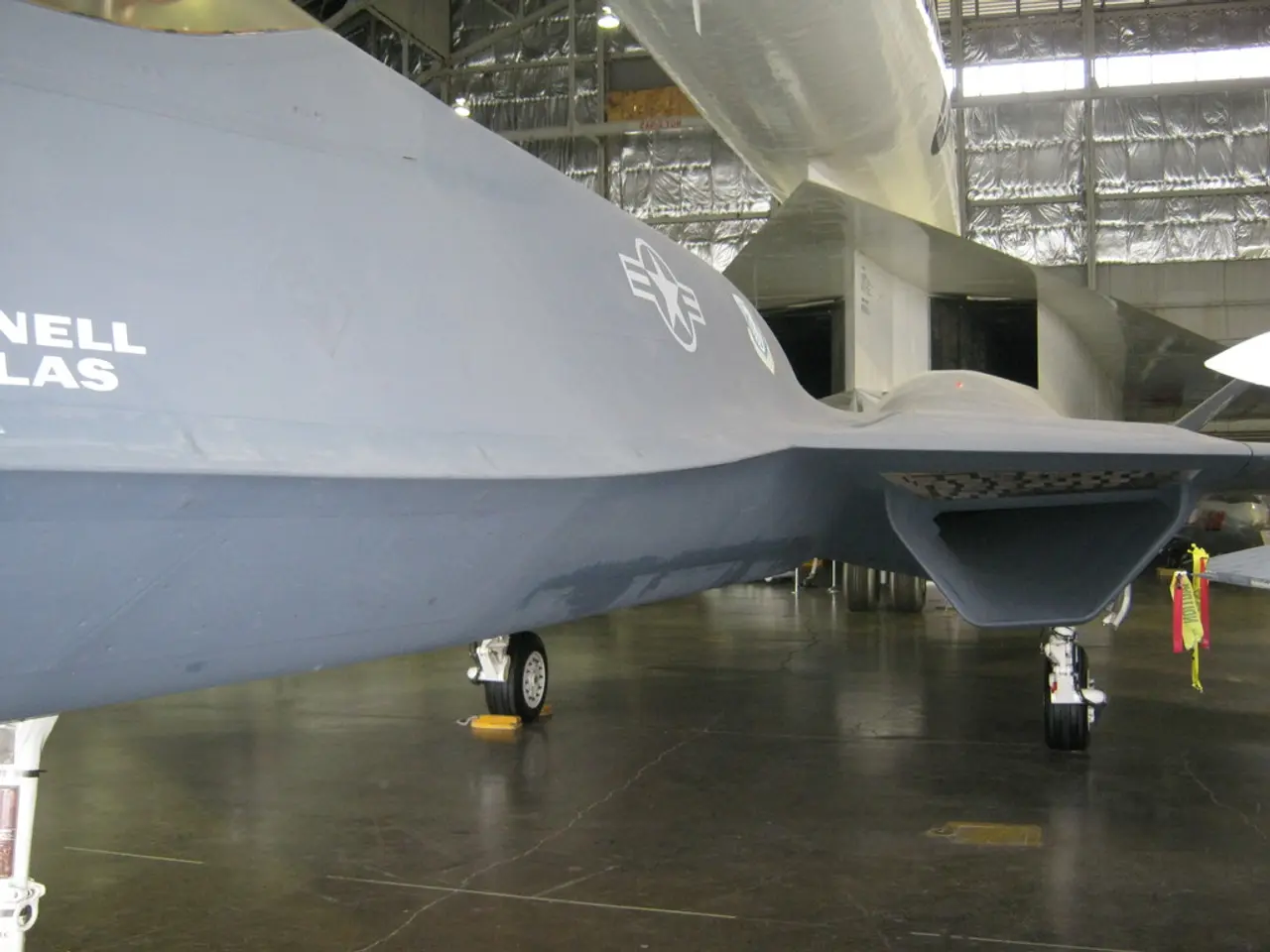
Boeing is currently facing a strike by its District 837 workers, who are responsible for assembling key military aircraft and defense systems. The strike, which began on August 4, 2025, has halted production of the F-15, F/A-18 fighters, the T-7 trainer, the MQ-25 aerial refuelling drone, and the F-47A stealth fighter.
The current dispute revolves around the rejection by union members of Boeing’s proposed new four-year contract. Although Boeing offered a 20% wage increase spread over four years, union members turned it down, citing concerns about job security, pension sustainability, and the effects of automation and offshoring on middle-class livelihoods.
The specific terms of the contract rejected by the union include a wage increase that would take 12 years for new employees to reach top pay, maintaining a two-tier wage structure, not reversing long-standing union concessions like stagnating wages during high inflation and the elimination of company-paid pensions, and adjustments to retirement benefits and changes to alternative workweek schedules that were felt to be insufficient.
Despite offering more vacation and sick leave, the union members believed the overall package was insufficient for their needs and rejected it overwhelmingly. Boeing has expressed disappointment over the rejection, highlighting that it was the richest contract offer presented to the union and asserting that contingency plans are in place to manage the strike's operational impact.
However, the union emphasizes that the deal does not meet their priorities to secure stable, equitable wages and preserve middle-class job quality. It is worth noting that the contract approved by District 751 workers after their strike last year included a 38% wage increase, while the rejected four-year contract would have raised the average wage by 40%.
The strike did not affect the delivery of 3 Apache choppers to the Indian Army, according to a separate report. Boeing's defense division is expanding manufacturing facilities in the St. Louis area for the new U.S. Air Force fighter jet, the F-47A, which Boeing won the contract for this year.
The previous contract for District 837 expired just before midnight on July 27. The union's head, Tom Boelling, stated that the union's members deserve a contract that reflects their skill, dedication, and the critical role they play in the nation’s defense. IAM Midwest Territory General Vice President Sam Cicinelli echoed this sentiment, stating that the union members deserve a contract that keeps their families secure and recognizes their unmatched expertise.
As the strike continues, both Boeing and the union are working towards a resolution that meets the needs and priorities of all parties involved. The impact of the strike on Boeing's production and delivery schedules remains to be seen.
- Although the ongoing strike at Boeing's manufacturing facilities may temporarily hamper the production of high-value defense systems like the F-15, F/A-18, T-7 trainer, MQ-25, and F-47A, it spotlights the concerns of its workers about job security, pension sustainability, and the effects of automation and offshoring on their livelihoods in the broader context of the finance and industry sectors.
- Despite Boeing's recent offer of a 20% wage increase over four years, including additional vacation and sick leave, the union's insistence on addressing issues such as job security, pension sustainability, and the impact of automation and offshoring reflects their commitment to preserving middle-class job quality in the sports, finance, and manufacturing industries.






