
Proposal requested for a safeguarding policy encompassing animal welfare and ecological preservation by the Commission.
In the heart of Keilberg, a 2.3-hectare area designated for residential construction on Hollerweg has taken an unexpected turn. The land purchase, made in the summer of 2022, has revealed that a large part of the area is an ecologically valuable but economically nearly worthless biotope, rendering it virtually unbuildable.
Currently, land purchases involving such biotopes follow a specific procedure. These areas, due to their limited economic uses and development restrictions, are often sold at lower prices. Buyers can range from conservation organizations to municipalities or private individuals interested in preserving such areas. In some cases, public authorities have pre-emption rights, ensuring the protection of such land.
The biotope at Hollerweg falls under nature conservation laws, restricting any development or land use changes. Before any purchase and land alteration, environmental impact assessments (EIAs) and permits may be required. In some jurisdictions, maintaining the ecological value can be a contractual condition of sale.
As the situation at Hollerweg unfolds, there are proposals for changes aimed at better balancing ecological preservation with economic feasibility. These changes include streamlining administrative steps for conservation-driven purchases, increasing financial support mechanisms, and strengthening legal protections.
One such proposal is the introduction of official green land registries or databases, aiming to increase transparency. There are also discussions about increasing subsidies or tax benefits to landowners preserving biotopes, making ownership more economically feasible.
Another aspect under consideration is stricter regulations on land use change, with tighter controls to prevent conversion of biotopes to other uses. Legal recognition of ecological value as a priority in land planning decisions is also being proposed.
Community and stakeholder involvement is another emerging trend, with a focus on more active involvement of local communities in decision-making and support for cooperative land management models.
The case of Hollerweg in Keilberg serves as a reminder of the importance of accurate biotope mapping and the need for transparency in land purchase decisions. The Real Estate Office believed the area to be an agricultural meadow during multiple site visits, but the actual assessment proved otherwise. Internal hints about the outdated biotope mapping were received, even after a letter from residents in 2021, but without consequences.
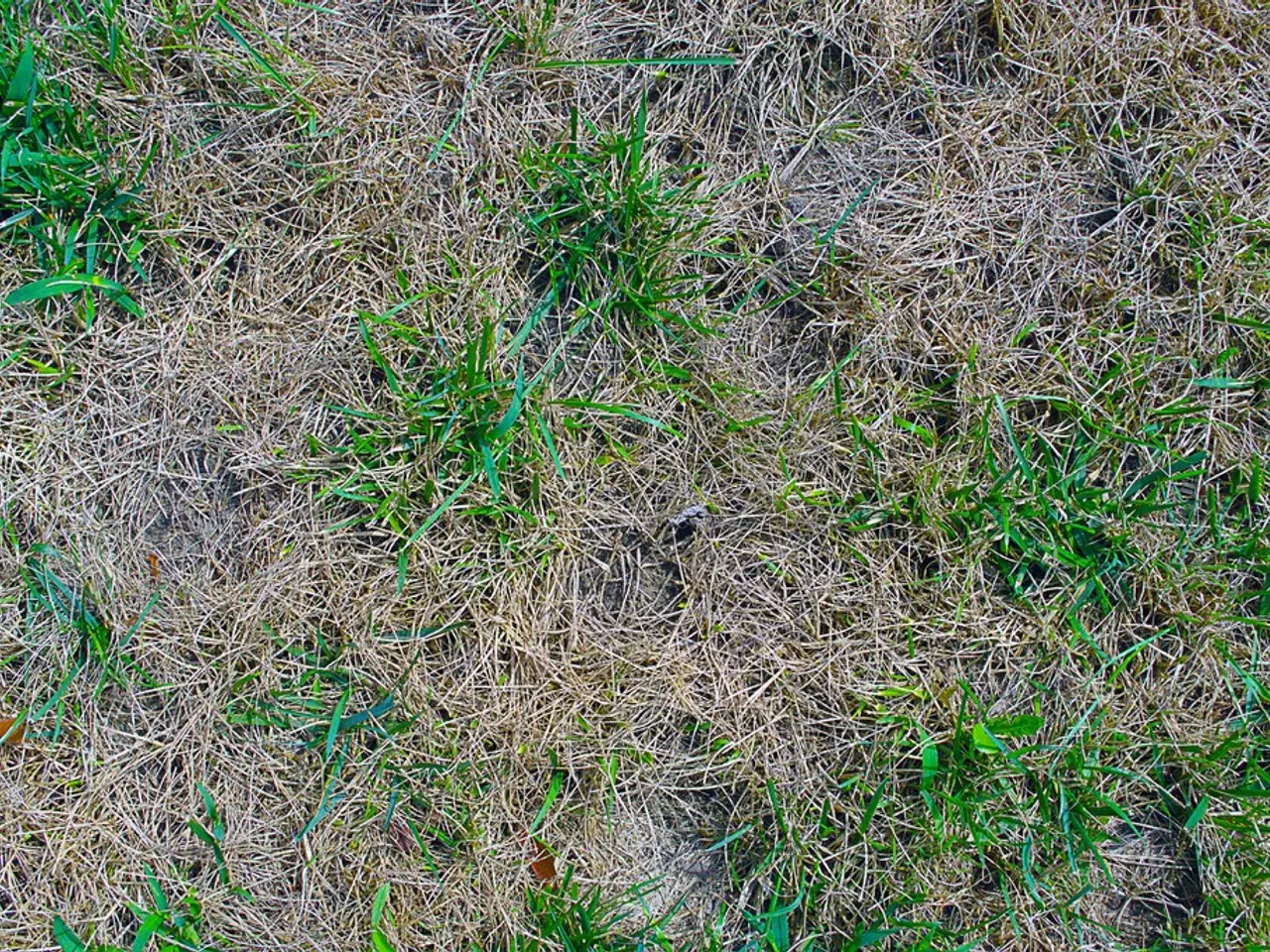
The actual purchase price for the Hollerweg land was lower than the rumored 350 euros per square meter, but it is still considered high for a biotope. The largest part of the two hectares purchased will remain undeveloped due to the rare and valuable sand-poor grassland.
The damage is being minimized by denser construction on the remaining areas of the current building plan, reducing the potential housing capacity from 400 to 360 or 320. The environmental department, the Liegenschaftsamt, and the responsible main office are working to make the purchase decision process more transparent and involve the environmental department in such deals.
As the discussion continues, it is clear that striking a balance between ecological preservation and economic feasibility is crucial. The case of Hollerweg in Keilberg underscores the need for accurate biotope mapping, transparency in land purchase decisions, and a shift towards more sustainable and ecologically-minded land use policies.
- Private investors, particularly those with an interest in preserving ecologically valuable areas, can consider investing in real-estate purchases involving biotopes, as some jurisdictions offer financial support mechanisms or tax benefits to encourage such investments.
- Amidst the proposal for changes to balance ecological preservation with economic feasibility, the practice of maintaining the ecological value as a contractual condition for real-estate purchases has been suggested, especially in cases where biotopes are involved.






