
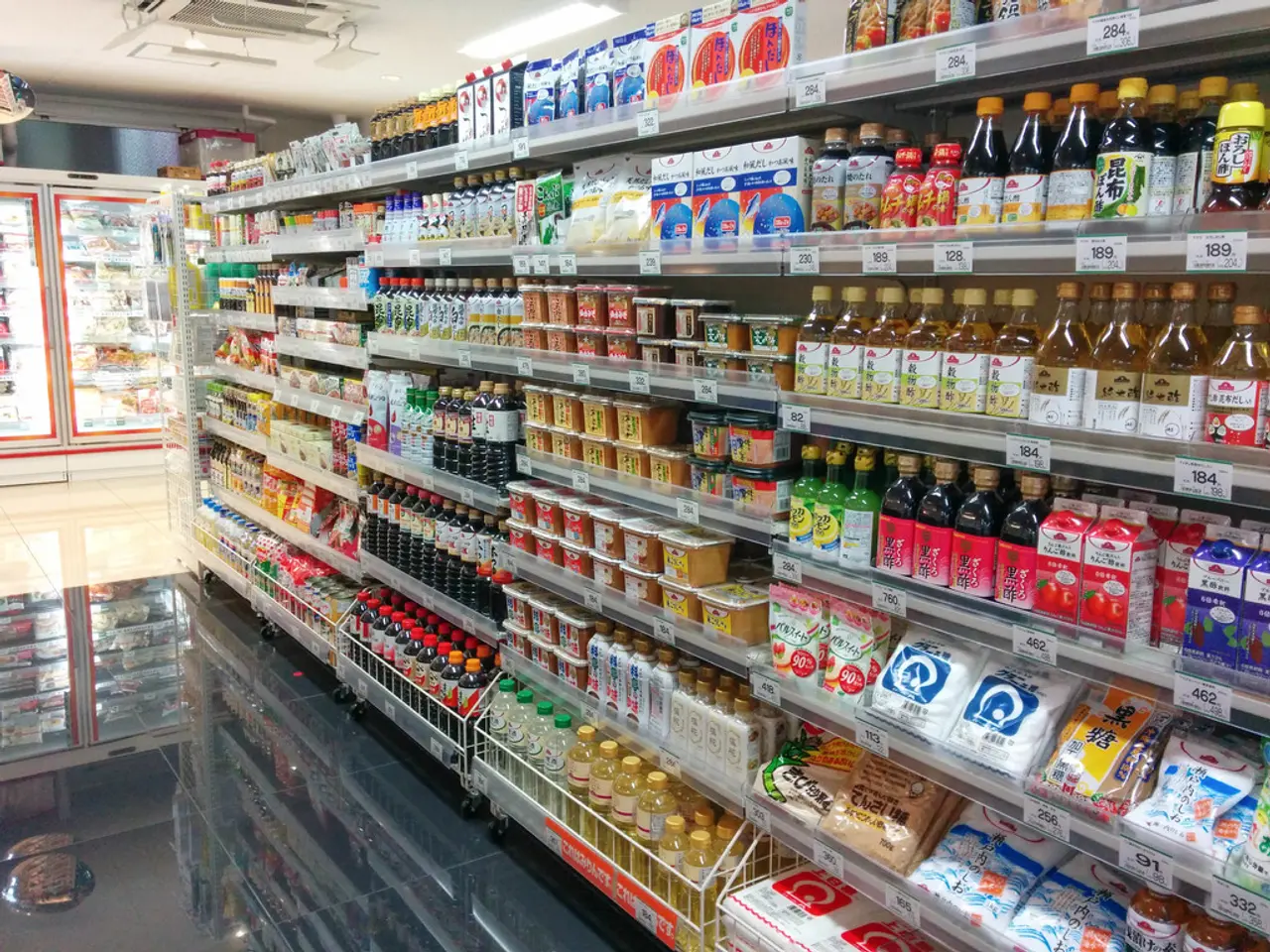
Proposal by FAS to expand opportunities for negotiating price-fixing contracts
Russia Extends Price Stabilization Agreements until 2029
In a move aimed at maintaining price control and improving consumer market conditions, the Russian Federal Antimonopoly Service (FAS) has proposed extending price stabilization agreements until the end of 2029. These agreements, currently active in 70 regions across the country, encompass a wide network of participants including 259 producers, 63 wholesale organizations, over 13,000 retail businesses, 161 pharmacy chains, and several fuel station networks.
The present agreements, governed by Government Decree No. 662, are due to expire in May 2026. In response, FAS has submitted a draft resolution to prolong this framework through the end of 2029. This extension aims to continue the price regulation mechanisms that have been in place since the agreements were first implemented.
Under these agreements, businesses are obliged to reduce or freeze prices, and are prohibited from implementing unjustified price increases during peak demand periods. These measures have been effective in limiting markups on essential products like chicken eggs. According to FAS, regions where these agreements are implemented have experienced more stabilized and favourable price dynamics compared to regions without such agreements, thereby improving the consumer market situation and increasing product availability for citizens.
The extension of these agreements is expected to further increase the affordability of goods for citizens, as well as improve the price situation in the consumer market. The proposed extension of Resolution No. 662, which governs these agreements, is set to be discussed and, if approved, will extend the current agreements until the end of 2029.
This move comes as the Russian economy faces pressures, and the price stabilization agreements serve as a measure to protect consumers from excessive price volatility. The proposed extension of these agreements is a testament to the government's commitment to maintaining a stable and affordable market for its citizens.
[1] Source: FAS Russia [3] Source: Economic Context Report, August 2025
Finance and business interests are significantly affected by the extension of price stabilization agreements, as they now span until the end of 2029. This industry-wide decision, overseen by the Russian Federal Antimonopoly Service (FAS), will continue to regulate pricing for a diverse network of participants, including producers, wholesale organizations, retail businesses, pharmacy chains, and fuel station networks.
The extension of these agreements is expected to benefit consumers, potentially improving market conditions and increasing product availability, as reported by the FAS. Furthermore, the proposed extension aims to maintain a stable and affordable market, which is particularly essential during economic pressures, as Russia currently faces.






