
Nuclear facility in France halted by immobilization caused by jellyfish invasion
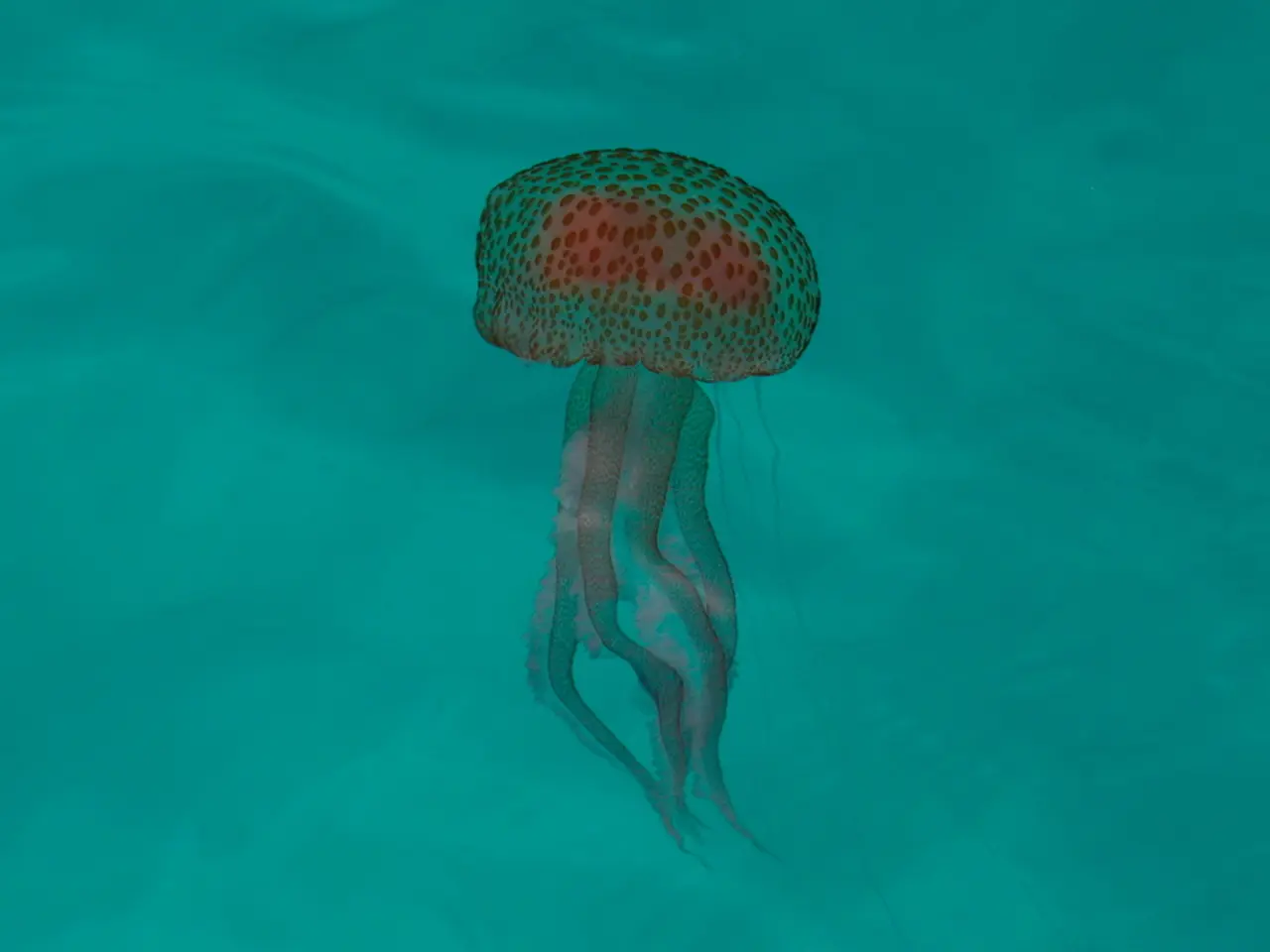
The Gravelines nuclear power plant in northern France, the country's largest with six pressurized water reactors, has temporarily halted four of its reactor blocks due to an "unforeseen" accumulation of jellyfish in the filter drums of the pump stations.
The incident did not impact the power supply, as other power plants are ready to compensate for the outage. EDF, the operator of the Gravelines plant, confirmed that the shutdowns are preventive and safe, and work is underway to restart the reactors after cleaning the pumps.
This is not the first time jellyfish have caused an atomic reactor to shut down. A similar incident occurred in Sweden, and there have been multiple reported cases worldwide, including the United States, Japan, China, and India. The problem is linked to warming seas, invasive jellyfish species, overfishing, plastic pollution, and climate change, which increase jellyfish populations and extend their reproductive seasons near coastal power plants.
The Gravelines power plant's non-nuclear part houses the pump stations. Maintenance work is currently being performed on the remaining two units. The initial shutdown of three units occurred on Sunday evening, with the fourth unit shutting down early Monday morning.
The safety of the facility, its workers, and the environment is not at risk, according to the plant's spokesperson. The type of jellyfish involved in the incident is currently being investigated. The Gravelines power plant is located on the English Channel.
Demand for electricity is lower in the summer, which could compensate for the temporary standstill in production at the Gravelines plant. The spokesperson suggested that the restarting of the reactor blocks would likely happen gradually.
This issue highlights the vulnerability of coastal nuclear power plants' cooling systems to environmental factors intensified by climate change. Despite the shutdown, the Gravelines power plant continues to ensure safety and protect the environment, a testament to the industry's commitment to maintaining high standards in the face of challenges.
- The unusual accumulation of jellyfish at the Gravelines nuclear power plant, linked to climate change and warming seas, has extended the reproductive seasons of invasive species near coastal power plants, posing a challenge to the industry.
- In light of the Gravelines power plant's temporary shutdown due to jellyfish accumulation, environmental science scholars may need to investigate potential financial implications for energy production and industry sustainability as a result of climate-change-induced environmental disruptions.
- While the Gravelines power plant's non-nuclear part houses its pump stations, and maintenance work is being carried out on the remaining two reactor units, the ongoing clean-up of the filtered pumps will impact the plant's contribution to the regional energy market, prompting discussions on alternatives and preventing similar incidents in the future.






