
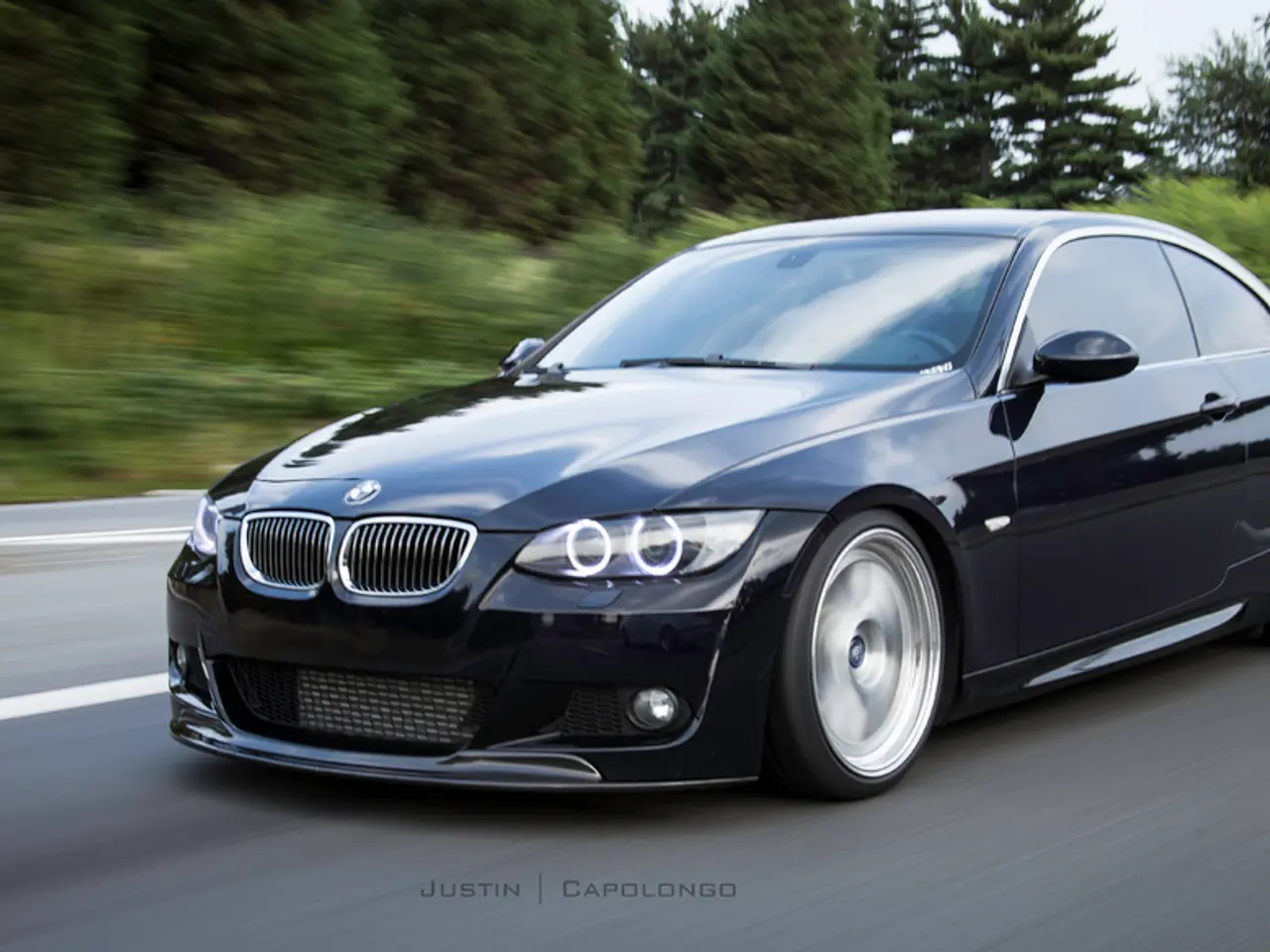
Layoff announcement for 500 positions at a German automotive manufacturer
German Automotive Supplier Dürr AG Announces Cost-Cutting Measures
In response to the challenging economic conditions and reduced demand in the automotive industry, German machinery manufacturer and supplier Dürr AG has announced a series of cost-cutting measures.
The company, which is not alone in implementing such measures, as Bosch recently announced job cuts at its Reutlingen site, plans to cut 500 jobs across its various plants, including Bietigheim-Bissingen, by the end of 2026. These job cuts will primarily affect the administrative sector, with the aim of making the administration more efficient and saving up to 50 million euros annually.
The job cuts will not result in dismissals, but rather severance packages or similar measures. Dürr AG's transformation, especially on a financial level, is a direct response to the current challenges in the automotive industry.
The German automotive industry is currently facing significant hurdles, including a market downturn, strong competition from Chinese electric vehicles, trade tariffs, notably from the US, and geopolitical shifts leading to regionalization and protectionism. These factors have resulted in declining sales, reduced revenues, and pressure on profitability for German OEMs and suppliers alike.
The US trade policy is a contributing factor to these challenges. Tariffs imposed during Donald Trump’s administration are projected to cost German automakers billions in lost revenue, with companies like Volkswagen and Mercedes-Benz expecting sharp revenue declines in the US market.
In the current environment, companies like Bosch and Dürr are aligning their strategies to industry imperatives, balancing cost reduction with investment in new technologies like EV powertrains and automation. Other measures include operational efficiency improvements, supply chain adjustments, and product portfolio optimization.
Dürr AG has also sold the majority of its environmental technology division in June, further streamlining its operations. The company's crisis is part of a broader economic crisis, with the German passenger car market contracting in 2025 amid broader economic uncertainty and weak domestic demand.
In summary, the German automotive industry is facing a multi-faceted crisis. Companies such as Bosch and Dürr are responding through strategic cost-cutting measures to maintain competitiveness in a rapidly evolving market.
Environmental finance assumes increased importance as Dürr AG, in its cost-cutting measures, seeks to invest in new technologies like EV powertrains and automation, balancing the need for reduction with strategic growth.
TheTransformed business model of Dürr AG, including administrative efficiency improvements and divestment of its environmental technology division, signals a shift towards sustainability and innovation in the face of industry challenges.






