
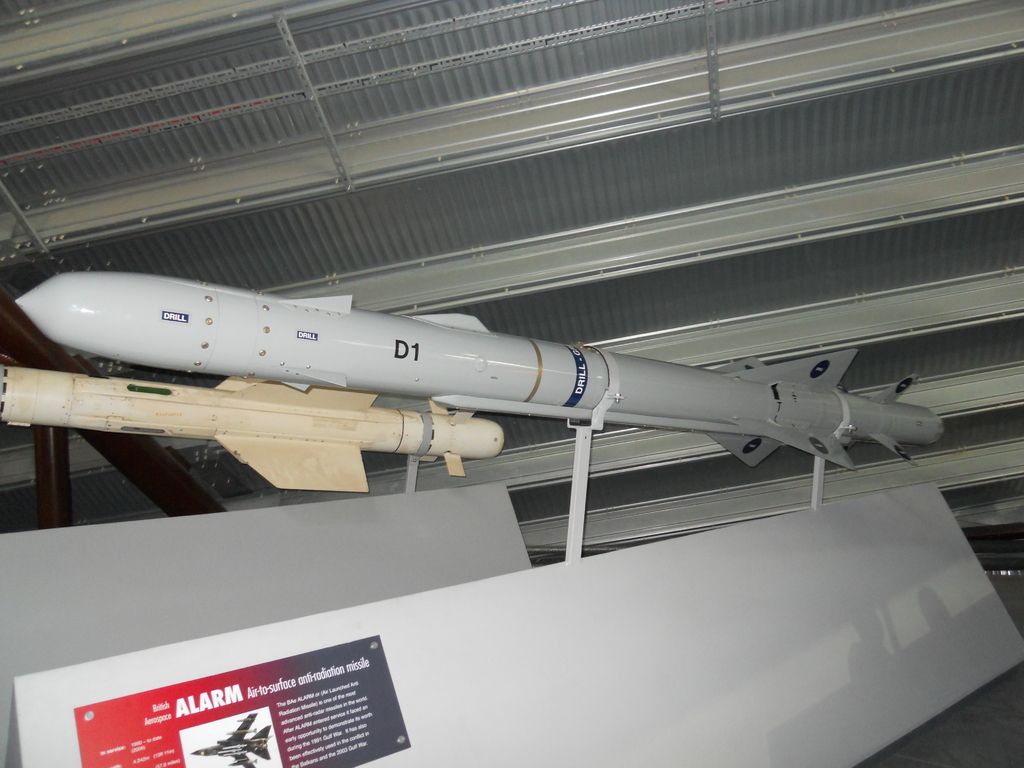
Intensifying conflict with Iran puts Israel's missile defense capabilities under escalating strategic pressure
In the heat of Israel's escalating conflict with Iran, the exorbitant cost and strain on Israel's missile defense system are laying bare a strategic weakness. As Iran spews forth hundreds of missiles and drones daily, Israel's vaunted multi-layered air defense system, previously considered impregnable, is showing noticeable signs of strain.
Israel fields an array of interceptors, including the Iron Dome (Tamir), David's Sling (Stunner), Arrow 2 and 3, and U.S.-provided THAAD batteries. Each has its merits but comes at a high cost and slow production time. Take the Iron Dome interceptor, for instance, which amounts to around $50,000 per piece. Compare this to Iranian missiles such as the Fateh-110 and Zolfaghar, which cost a mere $110,000 to $150,000 each.
The financial disparity works in Iran's favor. A single Iranian barrage may cost less than $1 million, while Israel might find itself shelling out five to ten times that to counter it. In a drawn-out war of attrition, Tehran can exert continuous pressure on Tel Aviv as Israel depletes its precious high-value defense stores.
Trump's recent revelation of Washington replenishing Israel's Iron Dome arsenal before the conflict elevated highlights the depth of U.S.-Israeli cooperation. However, this support also underscores dependence. Without persistent U.S. aid, Israel's ability to fend off incoming hazards might wane.
The pace of usage is astonishing. Reports indicate over a thousand projectiles rained down on Israel within a week. Maintaining interception rates of 60-90% could necessitate several hundred interceptors a day—that's tens of millions of dollars a day! Manufacturing limitations, especially for complex systems like Arrow 3, further complicate restocking matters.
Analysts have long warned that Israel's defense philosophy, built on technical supremacy, was never designed for prolonged wars of attrition. Should stocks dwindle, the likelihood of threats bypassing defenses increases—not due to system failure but due to mere shortages. This could erode Israel's deterrent power and public confidence.
Back in the day, Uzi Rubin, former head of Israel's missile defense program, had cautioned, "There is no impenetrable, limitless shield." And now, as manufacturing costs balloon, availability wanes, and political dependence deepens, Israel's strategic advantage may crumble—not because of the missiles it intercepts, but because of those it can no longer afford to bring down.
But there's hope. Looking beyond the financial and logistical constraints, Israel can explore additional tactics such as seeking financial aid from allies, developing cost-effective technologies, collaborating with other countries, optimizing deployment, and diversifying defense systems. Engaging diplomatically in an effort to diminish tensions and implementing long-term strategic plans that focus on sustainability can also help. It's a complex challenge, but Israeli ingenuity and resilience have always shone in the darkest hours.
Political strains and general news headlines are raising questions about Israel's defense systems, particularly finance, as the cost of each Iron Dome interceptor amounts to around $50,000, contrasting with Iranian missiles that cost tens of thousands less. In a prolonged war of attrition, the financial disparity could result in Iran exerting continued pressure on Israel, depleting its high-value defense stores.






