
Economic Impact of Russia-Azerbaijan Conflict Unveiled
In a recent turn of events, political tensions between Russia and Azerbaijan have escalated, causing a strain on their economic cooperation. This development, primarily due to mass detentions of Azerbaijanis by Russian law enforcement and reports of torture and killings, has provoked strong diplomatic protests from Azerbaijan and the cancellation of cultural events organized by Russian institutions in Baku.
Despite these political challenges, economic ties and trade volume between the two countries have shown resilience, albeit under stress.
Trade volume between Russia and Azerbaijan has remained stable, with significant growth in the first quarter of 2025. Azerbaijan's foreign trade reached approximately $16.9 billion from January to April, marking a 24.1% increase year-over-year. Key exports include oil, natural gas, and urea fertilizers. Oil exports, for instance, amounted to 8.2 million tons worth $4.56 billion, showing a 4.5% increase compared to the previous year.
The non-oil sector, including agricultural products, is also gaining momentum. Although specific Russia-Azerbaijan agricultural trade data is limited, Azerbaijan has been focusing on diversifying its economy and increasing non-oil exports. Meanwhile, Azerbaijan maintains important agricultural trade partnerships with neighbouring countries like Kazakhstan, involving grain imports and fruit exports.
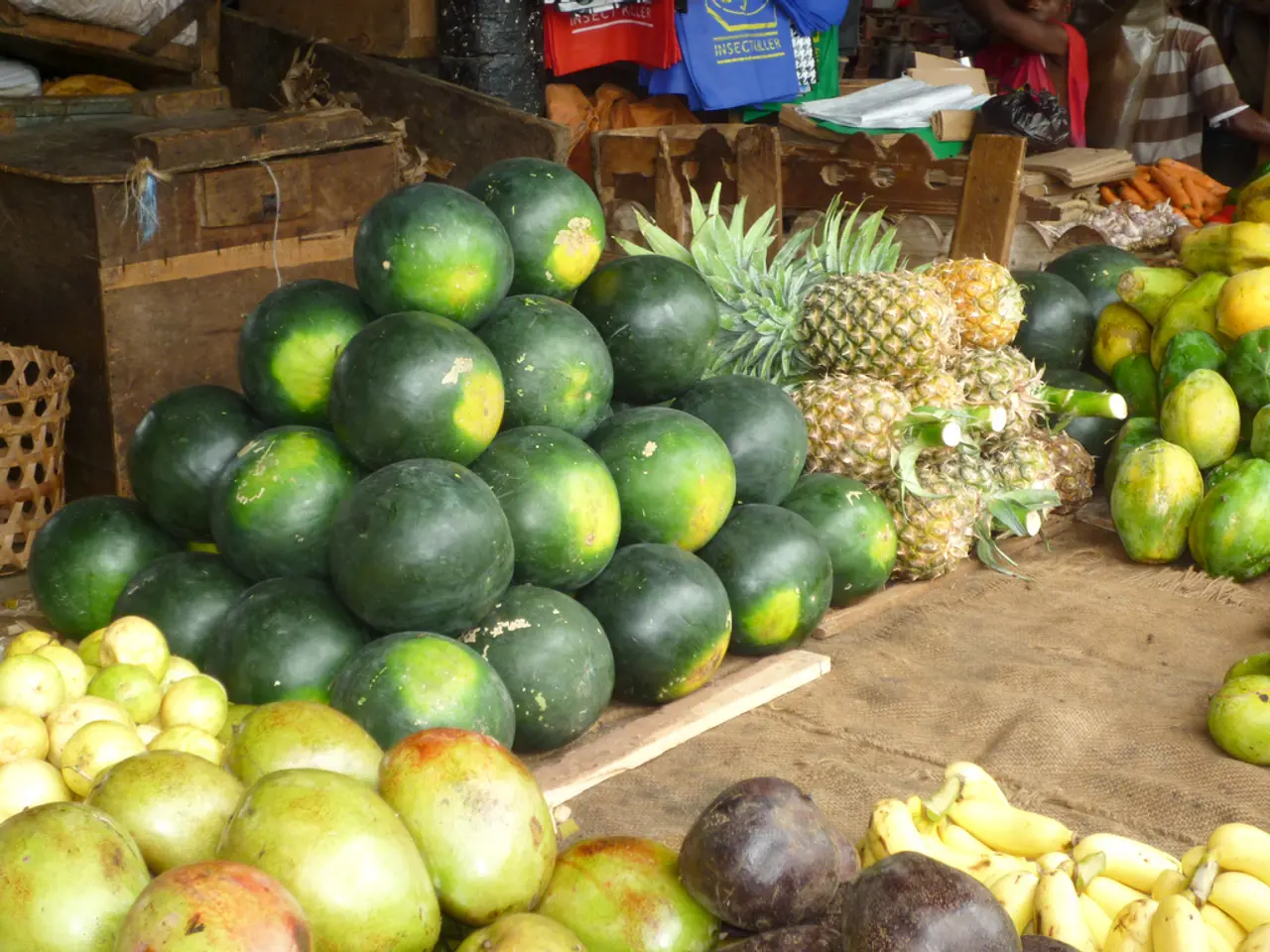
Russia ranks third in the volume of exports from Azerbaijan, after Turkey and Italy. The country is also one of the main markets for Azerbaijani vegetables and fruits. However, experts suggest that political tension between the two countries could potentially harm Azerbaijan by losing its market for goods, a supplier, and a logistics partner.
Economic analysts also indicate that the severing of economic ties could be harmful for both countries. Russia, on the other hand, ranks second in the volume of imports into Azerbaijan, after China.
It is important to note that the incident involving the son of the head of the Azerbaijani diaspora and a special forces soldier, which has generated significant public attention, is not connected to the potential loss of Azerbaijan's market for goods, a supplier, and a logistics partner due to political tension with Russia.
Russian officials have emphasized the importance of friendly relations, urging those who might seek to disrupt them to reconsider. However, the current political conflict could potentially jeopardize these ties. The full impact on key commodity flows and bilateral economic projects might deepen if diplomatic relations worsen further.
References: [1] BBC News. (2025, April 1). Azerbaijan cancels Russian cultural events over detentions. [online] Available at: https://www.bbc.com/news/world-europe-61528905
[2] Trend News Agency. (2025, March 30). Azerbaijan, Kazakhstan to boost agricultural cooperation. [online] Available at: https://en.trend.az/azerbaijan/economy/3556223.html
[3] RFE/RL. (2025, April 2). Azerbaijan Protests 'Torture' Of Azerbaijani Citizens In Russia. [online] Available at: https://www.rferl.org/a/azerbaijan-protests-torture-of-azerbaijani-citizens-in-russia/31455803.html
[4] AzerNews. (2025, April 5). Azerbaijan's foreign trade up 24.1% in Jan-April 2025. [online] Available at: https://azernews.az/economy/188740.html
[5] The Guardian. (2025, March 29). Azerbaijan protests over 'torture' of its citizens in Russia. [online] Available at: https://www.theguardian.com/world/2025/mar/29/azerbaijan-protests-over-torture-of-its-citizens-in-russia
- The non-oil sector between Russia and Azerbaijan is also experiencing growth, as Azerbaijan aims to diversify its economy and increase non-oil exports.
- Despite the political tension, Russia remains a significant trade partner for Azerbaijan, ranking third in the volume of Azerbaijani exports, with a focus on vegetable and fruit exports.
- Economic analysts have warned that the worsening political relations between Russia and Azerbaijan could potentially harm both countries, as both are important trading partners and logistics partners for each other.






