
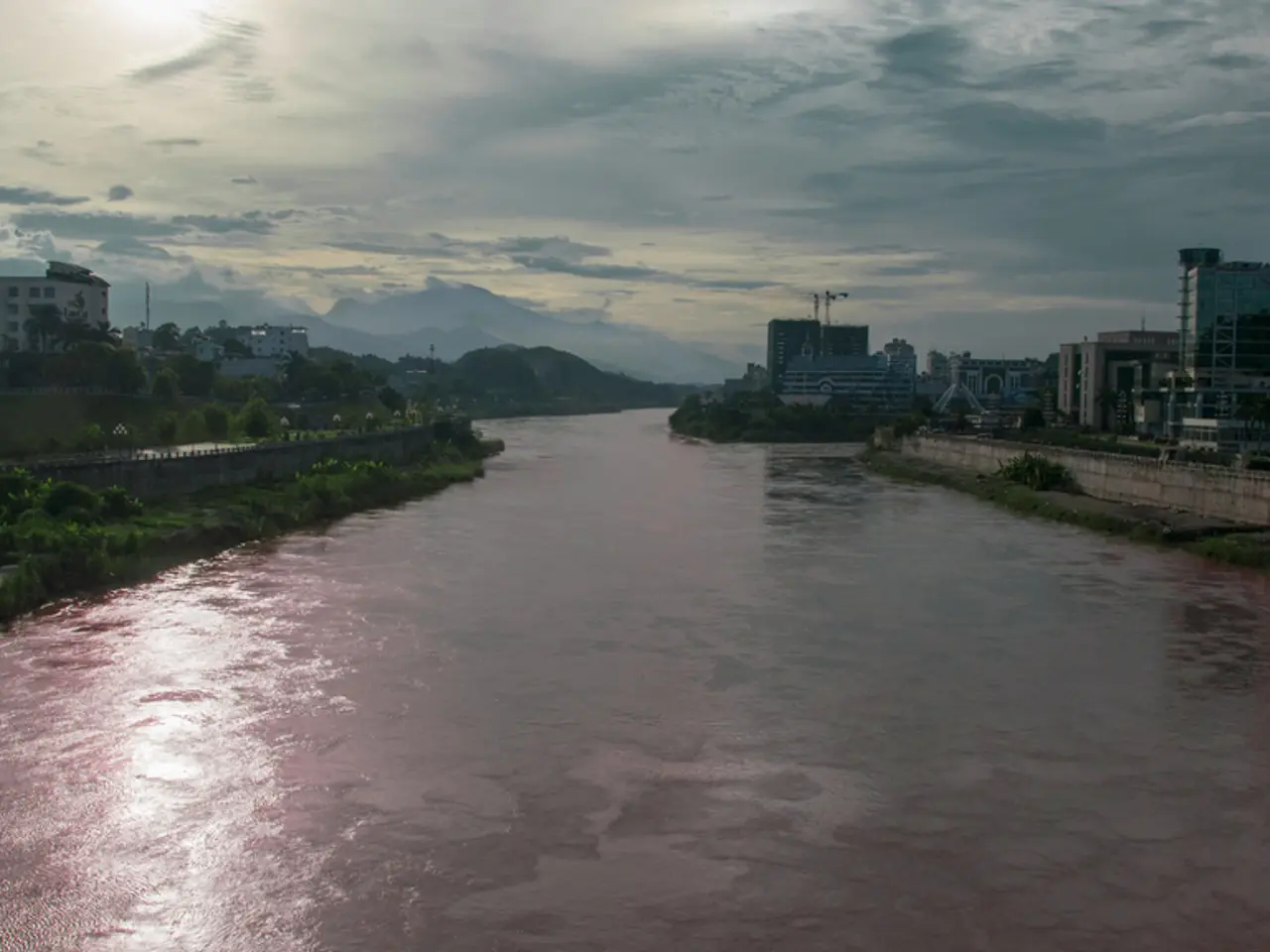
Debate Surrounding Hydroelectric Power: Energy Solution or Ecological Threat?
Hydroelectric power, a cornerstone of renewable energy, harnesses the force of flowing water to generate electricity. As we navigate climate change and the urgent need to abandon fossil fuels, hydroelectricity stands out as a long-established and green energy source. The dream of producing vast amounts of clean electricity without burning coal or gas is certainly appealing in the fight against global warming. But, like many powerful technologies, the hydroelectric saga isn't a simple tale of unmitigated success or unqualified sustainability. It's a story of benefits, environmental impacts, and human consequences that deserve our undivided attention.
At its heart, hydroelectric power showcases human ingenuity in tapping nature's energy. By damming rivers or manipulating water flows, the potential energy stored in rising water masses is converted into kinetic energy as it descends, spinning turbines that produce electricity. Unlike fossil fuel plants, hydroelectric facilities don't emit carbon dioxide, sulfur oxides, nitrogen oxides, or harmful particulate matter during operation. This environmental edge over coal and natural gas facilities adds weight to hydroelectricity's case in the battle against air pollution.
Moreover, its renewable nature comes from its reliance on Earth's natural water cycle. Rainfall and melting snow replenish rivers and reservoirs, offering an inexhaustible energy supply—given stable climate conditions. This contrasts sharply with the finite reserves of coal, oil, and gas, increasingly difficult and environmentally harmful to extract.
Hydroelectric plants also offer practical benefits in power grid management. Quickly adjusting power output up or down makes them versatile in balancing the intermittency of solar and wind energy. This flexibility makes hydroelectricity an essential partner in our increasingly renewable electricity systems, supplying steady baseload power and grid stability. Additionally, hydropower installations often come with economic and infrastructural bonuses such as water storage for irrigation, flood control, and recreational activities. In many parts of the world, hydroelectricity is a low-cost electricity source once the initial investment is recuperated, with lifespans of up to 50 years or more.
However, the construction of dams and reservoirs fundamentally alters river systems and surrounding landscapes, leading to significant environmental harm, including loss of biodiversity, wildlife habitat destruction, disruptions to migratory fish populations, altered water temperature and chemistry, and methane emissions from reservoirs. Furthermore, dam failures or mismanagement can cause environmental disasters, with environmental and social repercussions.
Displacing local populations for the construction of hydroelectric projects often causes profound social consequences, with relocated communities losing their homes, livelihoods, cultural sites, and social networks. Resettlement can be a traumatic process, particularly when compensation is inadequate or poorly managed. The imbalance between urban and industrial centers gaining from the electricity generated by dams and rural communities suffering the brunt of social and environmental disruption raises ethical questions about equity and justice in hydroelectric development.
Recognizing these challenges, engineers and environmentalists have pursued technologies to minimize the ecological and social footprint of hydroelectric power. Small-scale and run-of-the-river hydropower systems, fish-friendly turbine designs, improved fish passage technologies, sediment management strategies, and environmental flow requirements are all being developed and implemented to mitigate hydroelectricity's harmful effects.
Hydropower typifies a compelling paradox. It is a carbon-free source of energy, yet it can also cause irreversible environmental damage and suffering to people. The secret to its responsible use lies in acknowledging its complexity rather than oversimplifying its influence. When carefully designed and managed with strong protections for ecosystems and affected communities, hydroelectric power can be a vital component of a sustainable energy future. By focusing on small-scale projects, technological innovation, and inclusive planning, we can reduce its negative impacts while maintaining fair resettlement practices.
In the race for clean energy, hydropower is neither an unblemished hero nor a villain. It is a nuanced tool—one whose benefits and drawbacks must be delicately balanced to ensure that progress towards sustainability does not come at the expense of nature or vulnerable populations. Ultimately, the fate of hydroelectric power depends on our ability to learn from past errors, use cutting-edge science and technology, and establish genuine connections with the communities sharing our rivers. Only through this united approach can hydroelectricity fulfill its potential as a truly clean and responsible energy source for future generations.
- The tech industry, alongside environmental science, is increasingly focusing on innovations to minimize the ecological and social footprint of hydroelectric power.
- Hydroelectricity, though a significant player in the finance sector due to its long lifespans and low-cost electricity production, faces challenges in the environmental and social arena.
- In the context of climate change and the urgent need to transition away from fossil fuels, hydroelectric power, a renewable energy source, is often favorable due to its production without emitting harmful substances.
- Amidst the industry's pursuit of sustainable energy solutions, the dreams of clean electricity generation shouldn't overshadow the urgent need for addressing the environmental impacts and human consequences of hydroelectric power, such as alterations to river systems, loss of biodiversity, and social displacement.






