
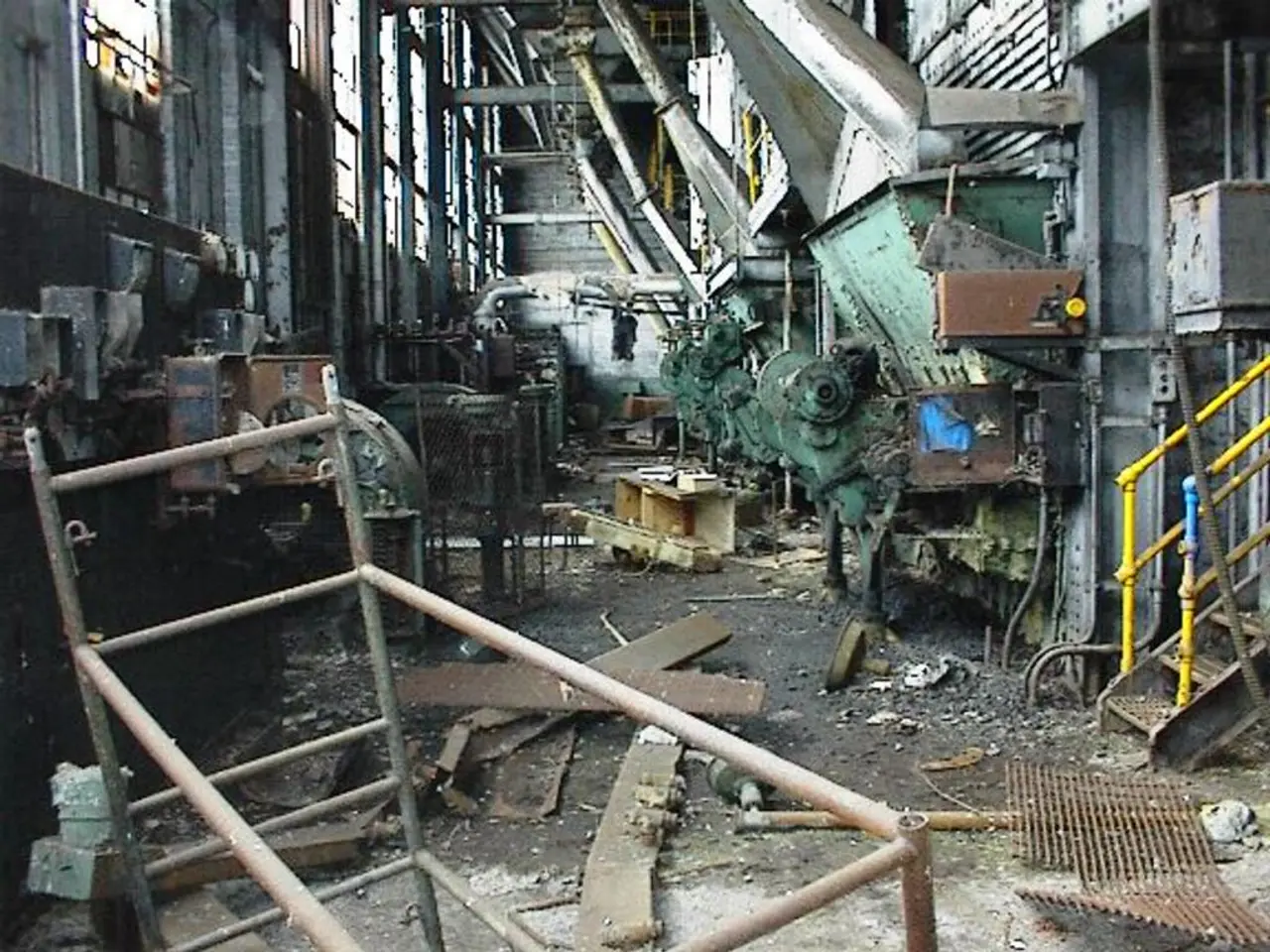
Green Steel Dream Crushed: ArcelorMittal Abandons Sustainable Steel Plans in Germany
ArcelorMittal abandons intentions for eco-friendly steel production in Germany
Let's cut straight to the chase - ArcelorMittal is walking away from its green steel dreams in Germany. After bankrolling plans for a greener tomorrow with billions, the multinational steel giant is now throwing in the towel, complaining about a lack of profitability and industry-wide turmoil. Two federal states are now fretting about the fate of the locations at Bremen and Eisenhüttenstadt in Brandenburg.
In layman's terms, ArcelorMittal had hoped to modernize and go green with its mills in Bremen and Eisenhüttenstadt, but the plan's economic feasibility took a nose-dive. The federal and state governments were on board, shelling out €1.3 billion for this transformation, with the total cost pegged at €2.5 billion.
The vision was a green steel manufacturing wonder. Electric arc furnaces were to be installed that would churn out steel using eco-friendly electricity and recycled metal scrap. In Bremen, a direct reduction plant was also planned, where a steel intermediate product would be produced from iron ore first using natural gas and later green hydrogen, the latter being generated from renewable energies.
However, the transition to a greener future is moving at a snail’s pace, ArcelorMittal claims. Green hydrogen is still not a reliable energy source and steel production based on natural gas isn't a lucrative transitional solution. To add fuel to the fire, the European steel market is under immense pressure due to weak demand and high imports.
The company had agreed to start construction by June 2025 and, with the contract in their pocket, they’re now obligated to let the government know they’re pulling the plug. ArcelorMittal remains hopeful about reducing the carbon footprint of their plants, but hitting climate targets by 2030 seems increasingly unlikely.
At the moment, ArcelorMittal is focusing on boosting steel demand in Europe and clamping down on high imports, which CEO Geert Van Poelvoorde believes are stifling the industry's growth. "If we can manage to limit imports, the industry will be in a much better position to invest in decarbonization," he said.
Mayor Andreas Bovenschulte of Bremen was left disappointed, calling the decision a heavy blow for the mill's employees and their families. Brandenburg's Minister President Dietmar Woidke assured that every effort is being made to secure jobs at the Eisenhüttenstadt mill with the employees, local authorities, and ArcelorMittal.
The steel industry is no carbon hero, accounting for a sizable chunk of Germany's carbon emissions. The use of green hydrogen instead of polluting coking coal is essential for the decarbonization of steel production. However, as ArcelorMittal’s green steel plans have shown, there are plenty of challenges lying ahead for the steel sector.
Sources:- ntv.de- jwu/AFP/dpa
References:- [1] Schoenberger, Katia. "ArcelorMittal abandons plans for green hydrogen steel plants in Germany." Reuters, June 24, 2022.- [2] Rappeport, Alan, and Patricia Cohen. "ArcelorMittal Abandoning $2.5 billion Plan to Turn German Steel Plants Green." The New York Times, June 24, 2022.- [3] Ashford, Tom. "ArcelorMittal Gets Political Support for Green Hydrogen Steel Plants in Germany." S&P Global Market, August 31, 2021.
- The decision by ArcelorMittal to abandon its green steel plans in Germany raises questions about the profitability and feasibility of industry-wide transitions towards sustainable steel production, particularly in the context of the finance and energy sectors.
- In the wake of ArcelorMittal's withdrawal, there is a growing emphasis on boosting steel demand in Europe, reducing high imports, and finding alternate solutions for decarbonization efforts in the business and political spheres.
- Amidst the challenges and setbacks in the steel industry's quest to decrease carbon emissions and transition towards greener energy sources, the search for reliable alternatives like green hydrogen remains critical for achieving general-news relevant climate targets in the energy, finance, and politics domains.






