Nuclear facility in northern France resumes operation
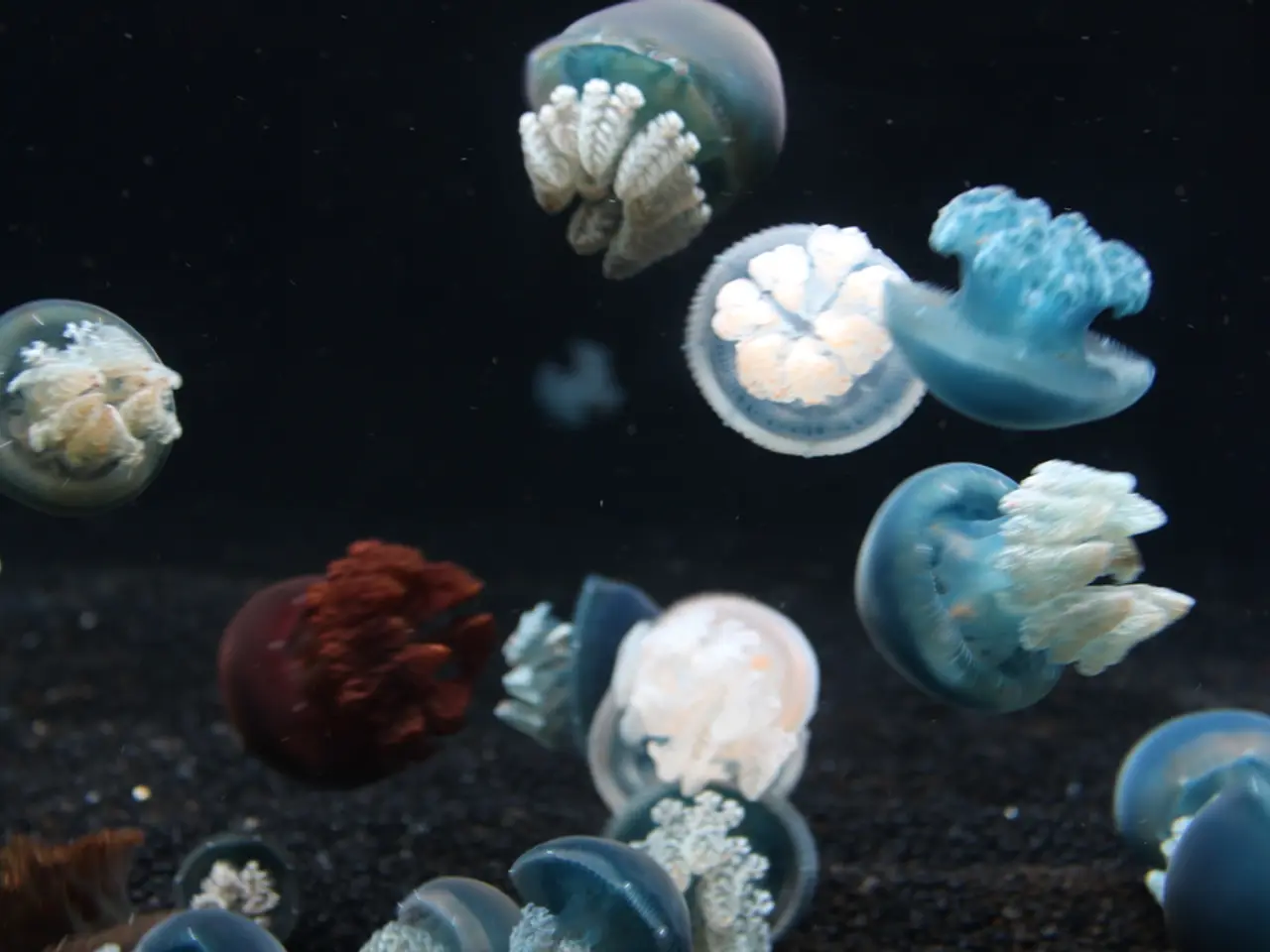
In the north of France, one of Europe's largest nuclear power plants, Gravelines, restarted one of its reactors on Wednesday, following a two-day shutdown due to an unexpected influx of jellyfish. The other three shutdown reactors at the plant are currently undergoing efforts to resume operations.
Located 20 kilometers northeast of Calais on the French North Sea coast, Gravelines is operated by EDF. This incident is a recent and prominent example of a global trend where warmer oceans and low-oxygen zones, exacerbated by climate change and agricultural runoff, are causing jellyfish populations and blooms to increase.
The jellyfish entered the cooling water intake systems of the Gravelines power plant, clogging filters and pumping mechanisms. This clogging forced the plant to halt operations until the blockage was cleared to protect the reactors from overheating. Fortunately, safety was not compromised during the shutdown.
The affected filters were not in the nuclear part of the Gravelines power plant. The shutdown had no impact on the safety of the facilities, personnel, or the environment, according to EDF.
This is not the first time a nuclear power plant has been shut down due to jellyfish. Historically, similar incidents have occurred in the USA, Scotland, Sweden, and Japan in the 2010s. Two other reactors at Gravelines are currently shut down for maintenance, in addition to the four that were shut down due to jellyfish.
By the year 2040, two more reactors with a capacity of 1600 megawatts each are planned to be added to Gravelines. The restarted reactor is part of a larger effort to restart all four shutdown reactors. Gravelines, the largest nuclear power plant in Western Europe, has six reactors, each with a capacity of 900 megawatts.
The rise in jellyfish swarms is linked to ocean warming and environmental degradation caused by human activity. As seas continue to warm and jellyfish predators are overfished, these creatures are spreading more, posing a potential risk to coastal nuclear facilities.
References:
- Jellyfish Invasion Forces Shutdown of French Nuclear Power Plant
- Jellyfish Shutdown Gravelines Nuclear Power Plant in France
- Jellyfish Shutdowns at Nuclear Power Plants: A Growing Concern
- Climate Change and Jellyfish Blooms: A Cause for Concern
- The Impact of Jellyfish on Nuclear Power Plants
Read also:
- "Germany appears less environmentally friendly compared to Texas, according to Harald Lesch's climate documentary"
- World's primary energy source expected to shift towards renewables by the year 2026, according to the International Energy Agency.
- Procedure initiated for contract granting by the Commission.
- Connecting with everyone in the coming times, here's our interactive platform