Global markets faltered amid heightened tensions between Israel and Iran.
Today, the fourth day of the latest round of conflict between Tel Aviv and Tehran, has seen both sides exchange massive drone and missile strikes. This flare-up in violence in such a strategically significant region as the Middle East, both in terms of its geographical position and resources, certainly hasn't gone unnoticed by global markets and investors.
As expected, investors have reacted in their typical fashion – they've started buying safer assets like US dollars and gold. In terms of markets, resource markets have unsurprisingly been the first to react. The price of a barrel of oil increased by more than 10% in the past week alone, and the upward trend continues this week, amid fears of the conflict escalating and spreading across the Middle East. Iran is a significant oil producer and ranks 9th in the ranking of oil-producing countries, producing 3.305 million barrels per day in April.
Today, the price of gold has jumped to a 3-month high. A barrel of WTI oil, due to the conflict between Tel Aviv and Tehran, has risen by 2.22% to $74.62 (on Friday it saw a spike of 7.26%), while Brent has also risen by 2.22% to $75.88 (on Friday it also increased by 7.02%).
Naturally, the stock markets have responded to the Israeli attack on Iran in the night of Friday and Saturday, although CNBC analyst Michael Santoli notes that they were more resilient than expected. According to experts, the market expected a much larger drop.
The escalation of the conflict between Israel and Iran led to a drop in the major American stock indices on June 13: the S&P 500 dropped by 1.13%, the Dow Jones Industrial Average dropped by 1.79%, and the Nasdaq Composite dropped by 1.3%. The European index Stoxx 600 fell by 0.89%. The shares of travel and airline companies fell on both sides of the Atlantic. The skies over significant parts of the Middle East are closed to passenger flights.
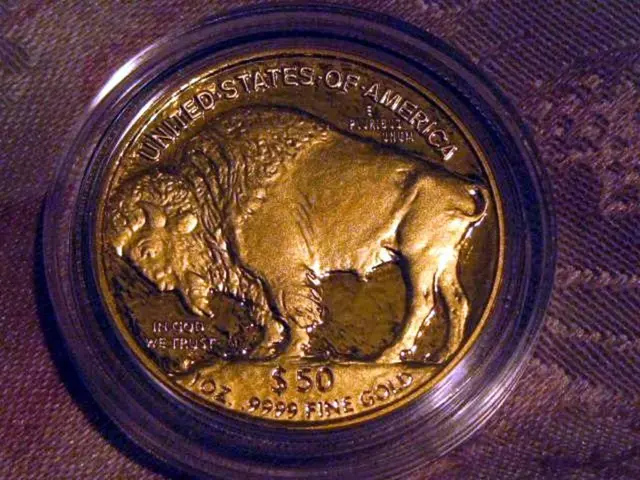
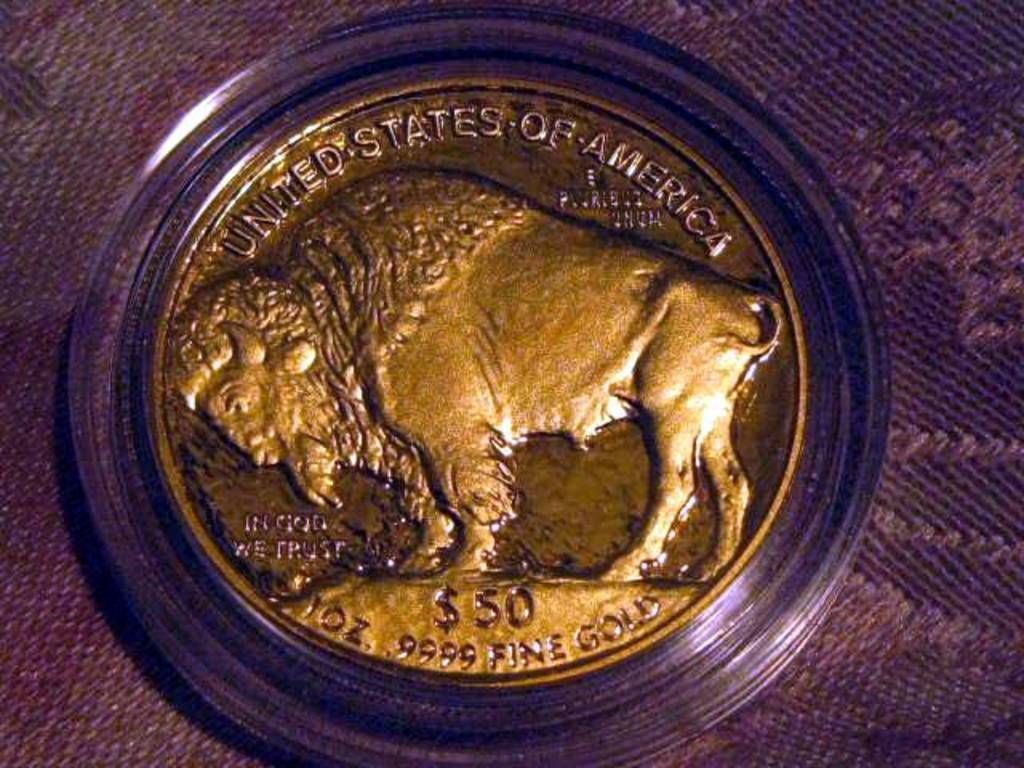
The price of gold, a universally recognized safe asset during times of global turmoil and geopolitical uncertainty, has risen today in Asia by 0.38%, and the price of gold futures with delivery in August has risen by 0.41%. Last Friday, gold and futures rose by 1.4% and 1.5% respectively.
In addition to gold, the dollar has also strengthened, remaining the primary safe asset despite denationalization and widespread concern about the astronomical US debt. This is demonstrated by its growth, not only in comparison with other "safe" currencies like the Swiss franc and yen, but also in comparison with other safe assets like gold. The index of the dollar, after several weeks of decline, recovered on Friday and rose by 0.3%. This morning in Singapore, it has further increased by 0.1%.
- The ongoing war-and-conflicts between Tel Aviv and Tehran, particularly in the energy-rich Middle East, has led to a surge in buying safer assets such as US dollars and gold by investors.
- The price of a barrel of oil, a primary resource in the oil-and-gas industry, has jumped by more than 10% in the past week due to fears of the conflict escalating in the Middle East.
- Stock-markets worldwide have responded to the Israeli attack on Iran, with the S&P 500, Dow Jones Industrial Average, Nasdaq Composite, and Stoxx 600 all experiencing a significant drop on June 13.
- The Indian politics has also taken notice of the escalating war-and-conflicts in the Middle East, with the general-news media reporting on its impact on the global gold market and other financial markets.