Diving Deep into Residential Real Estate: Multifamily vs Condo
Dwellings with Shared Walls vs. Individual Ownership: Breaking Down Two Real Estate Options
When it comes to residential property options, choosing between multifamily and condo can be as complex as a real estate maze. Let's navigate this labyrinth, spotlighting differences in ownership structure, management, and investment potential.
Despite both types providing housing for multiple families, the distinctions impact everything from maintenance responsibilities to financial implications.
Multifamily: A Shared Home for Tenants
A multifamily property usually refers to a building with multiple separate living units, such as duplexes, triplexes, or apartment complexes. Here, one person or entity owns the entire building and leases individual units to tenants.
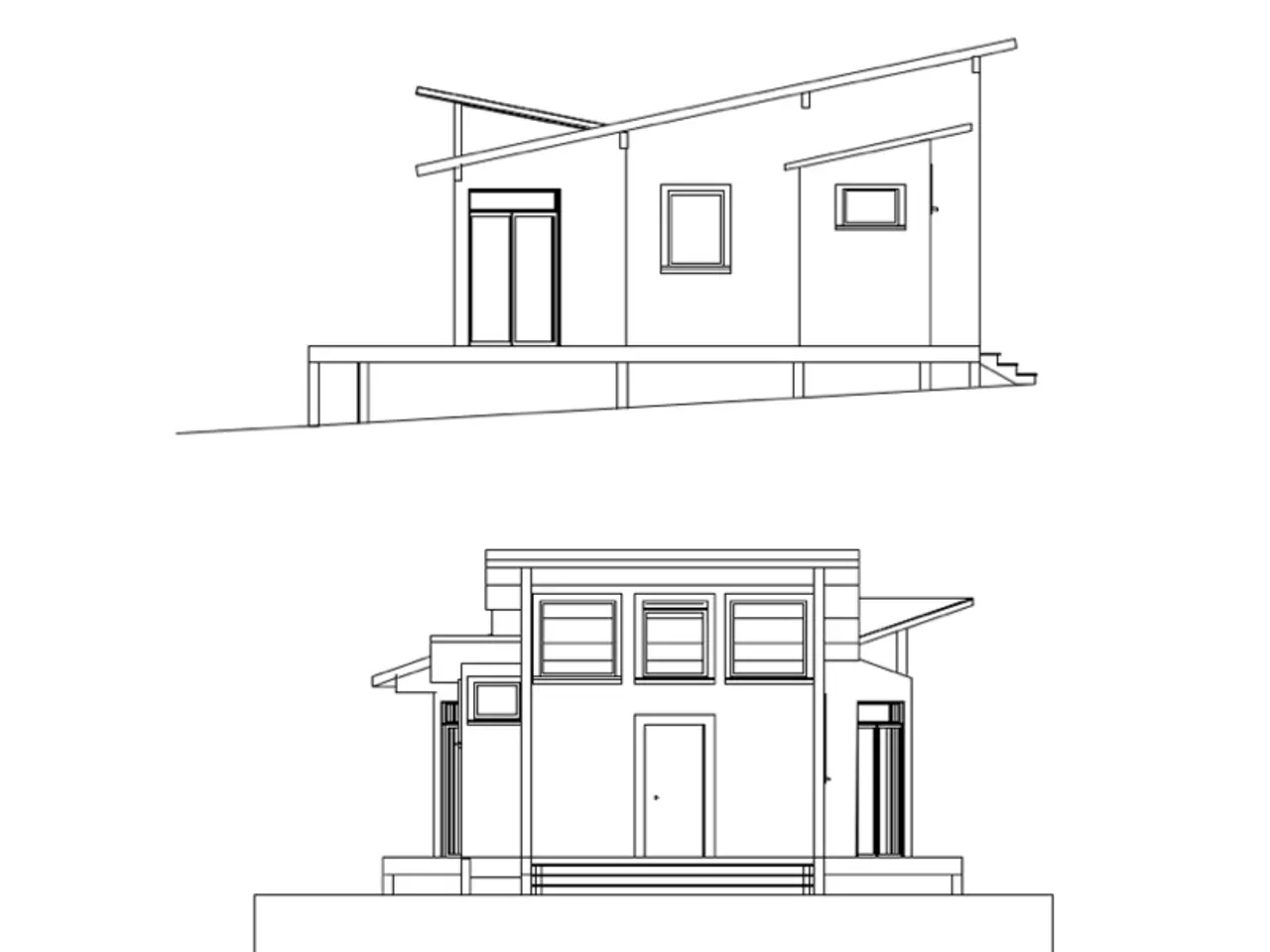
This arrangement grants the landlord control over the property and tasks them with handling maintenance, repairs, and management duties. Drawings for multifamily developments often prioritize optimizing shared spaces, parking, and unit layouts to accommodate tenants comfortably.
Going Solo: The Condo Path
Contrastingly, a condo or condominium is a property where individuals personally own their specific units while sharing common areas like hallways, lobbies, and recreational facilities. Owners are responsible for their own unit and pay fees to a homeowners' association (HOA), which cares for the communal areas.
This shared management means inspections and maintenance schedules are coordinated through the HOA, with decisions often made collectively by unit owners. To put it bluntly, is a condo multifamily? Yeah, it falls under the multifamily roof, but the buzzkill lies in ownership and management models.
Buckling Down on Financial and Legal Differences
Legally and financially, multifamily and condo properties diverge substantially. Multifamily building investors may hold greater control but shoulder full responsibility for property management. On the flip side, condo owners are responsible only for their units, with the HOA handling communal concerns.
This split affects insurance, taxes, and resale strategies. Compared to financing a multifamily property, securing a mortgage for a condo unit could differ owing to varying risk profiles and lender requirements.
Engineering Differences: A Case of Scope
From an engineering viewpoint, engineering services vary in scope. Multifamily projects generally necessitate comprehensive evaluations of structural systems, utility infrastructure, and safety compliance across all units since the owner bears responsibility for the whole building.
Condo inspections focus not only on unit integrity but also on shared components managed by the HOA. Understanding these distinctions aids smart property management, purchasing, and development decisions.
A Dichotomy in Amenities and Shared Spaces
Another vital factor involves the use of space. Multifamily complexes often boast shared amenities like laundry rooms, playgrounds, or fitness centers, maintained by the property owner.
Con domes also host amenities, but upkeep is funded through HOA fees, and usage rules might be stricter due to shared governance. These disparities dictate the resident experience and investment value.
Unveiling the Importance of Drawings and Inspections
For potential investors or residents, examining drawings and design plans of a property can disclose much about its intended use and maintenance requirements. In multifamily developments, designs center on maximizing rental income through unit count and functionality.
Condo designs accentuate aesthetics, privacy, and shared community spaces. Drawing on professional inspections during the acquisition or development phases helps ward off unexpected costs later in the game.
Partnering with Us: Allies in Property Success
Our website is well-versed in multifamily and condo projects. Our team brings expert designing, thorough inspections, and meticulous engineering services to tailor your property's unique needs.
We're focused on providing detailed assessments to equip clients with data for informed decision-making and efficient management. Want our help? Reach out! We're here to help your venture breeze through like a well-oiled machine.
Enrichment Data:
- Ownership: In multifamily properties, a single party owns the whole property. In condos, individual unit owners own their airspace, and the land and exterior structures are communally owned by all via a condo association.
- Management: Multifamily properties are managed by owners or hired property managers, whereas condos involve individual owners for in-unit maintenance, with a homeowners' association overseeing shared areas.
- Financial Implications: Multifamily properties may yield higher equity growth due to owning the whole asset and managing rents, while condos come with individual unit ownership, shared fees for maintenance, and less direct control over the entire property.
- Engineering Services: Multifamily projects require broad engineering and maintenance for building systems, while condos focus on common elements managed by the association.
- Amenities: Multifamily complexes generally feature shared amenities maintained by the property owner, whereas condos share amenities managed through an association and financed by individual fees.
- Although both multifamily and condo properties fall under the category of multifamily housing, key differences lie in ownership and management models.
- From a financial standpoint, investing in a multifamily property can offer a potentially higher equity growth compared to a condo, due to the direct control over rentals and the entire asset.
- Engineering services required for multifamily projects encompass a broader scope compared to condos since the property owner is responsible for the complete structural and utility infrastructure of the building.